April 1, 2025
A Crazy Idea or a Life Challenge?
My Athletic Past
Everything changed with the arrival of the COVID-19 pandemic, and running became my only activity. But not for long. Increased running activity revealed the unhealed consequences of a double ankle
injury I had suffered the year before. So, another unwanted stop. Yet, my obsession with looking perfect didn’t stop. It only intensified after the pandemic, when everything revolved around me.
I wanted to gain some kind of value, so why not start destroying my body with endless gym workouts, running miles despite my injury, following meaningless diets and unhealthy eating habits—all at
the expense of real values—relationships, the people around me, and their importance in my life. Gradually, everything started slipping away—or rather, I started distancing myself. Until I
ended up alone. Voluntarily. I pushed people away, and no one really knew who I was.
And so, one thought was born in my mind—to prove that I could accomplish something great. Something that would push me both physically and, most importantly, mentally beyond my limits.
To run a marathon.
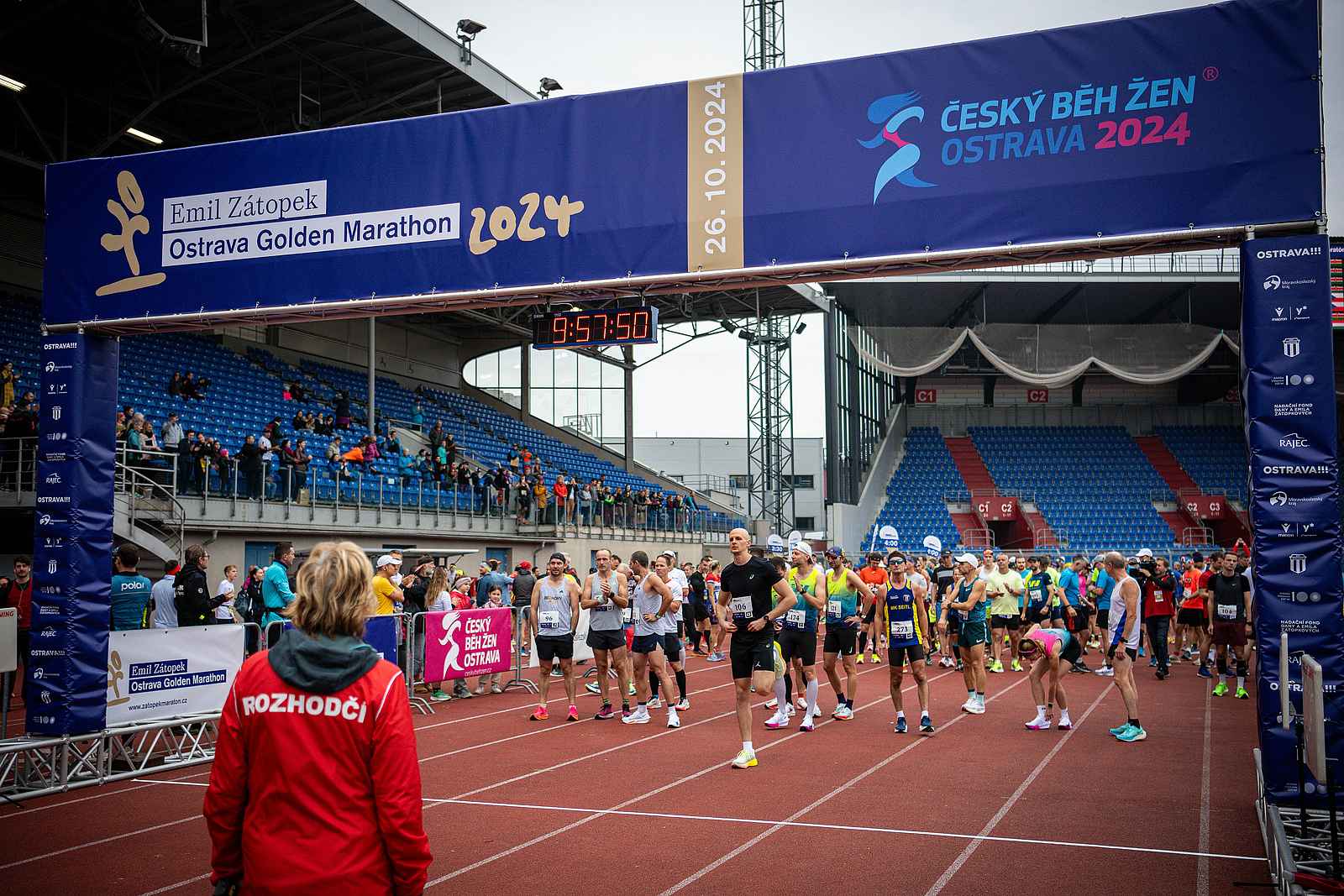
When There’s No Turning Back
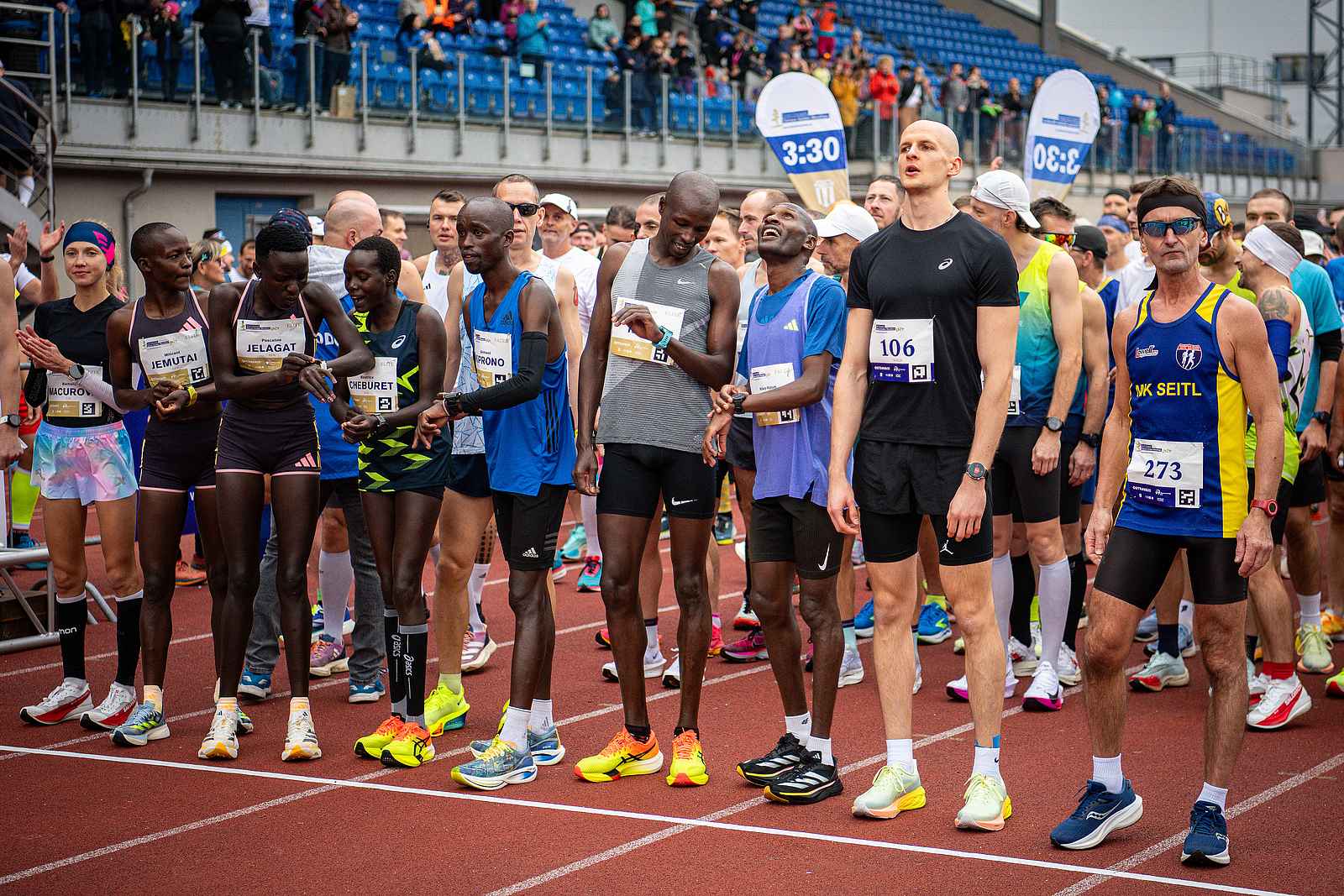
Preparing for a Run Without Running?
When Dreams Meet (Harsh) Reality
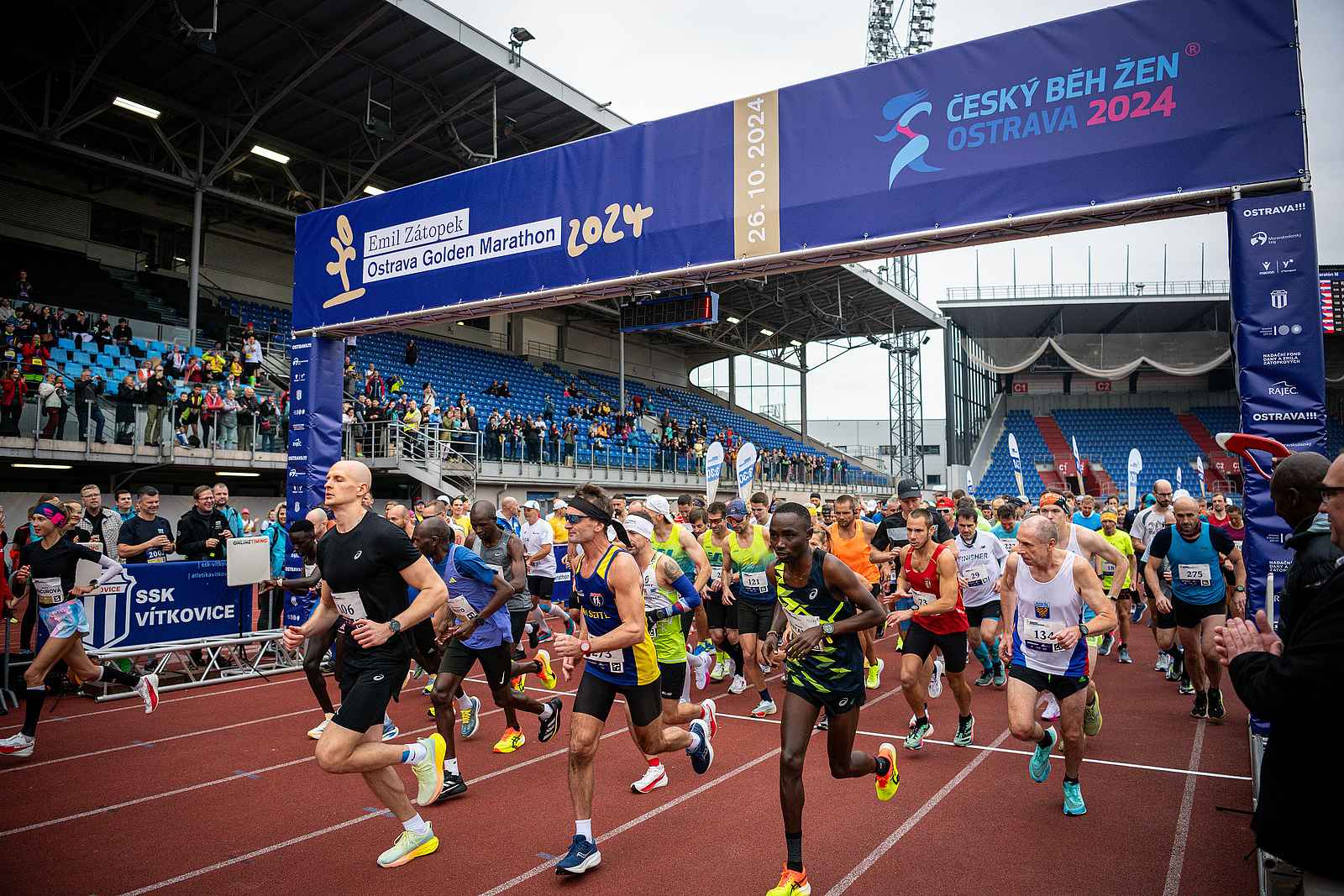
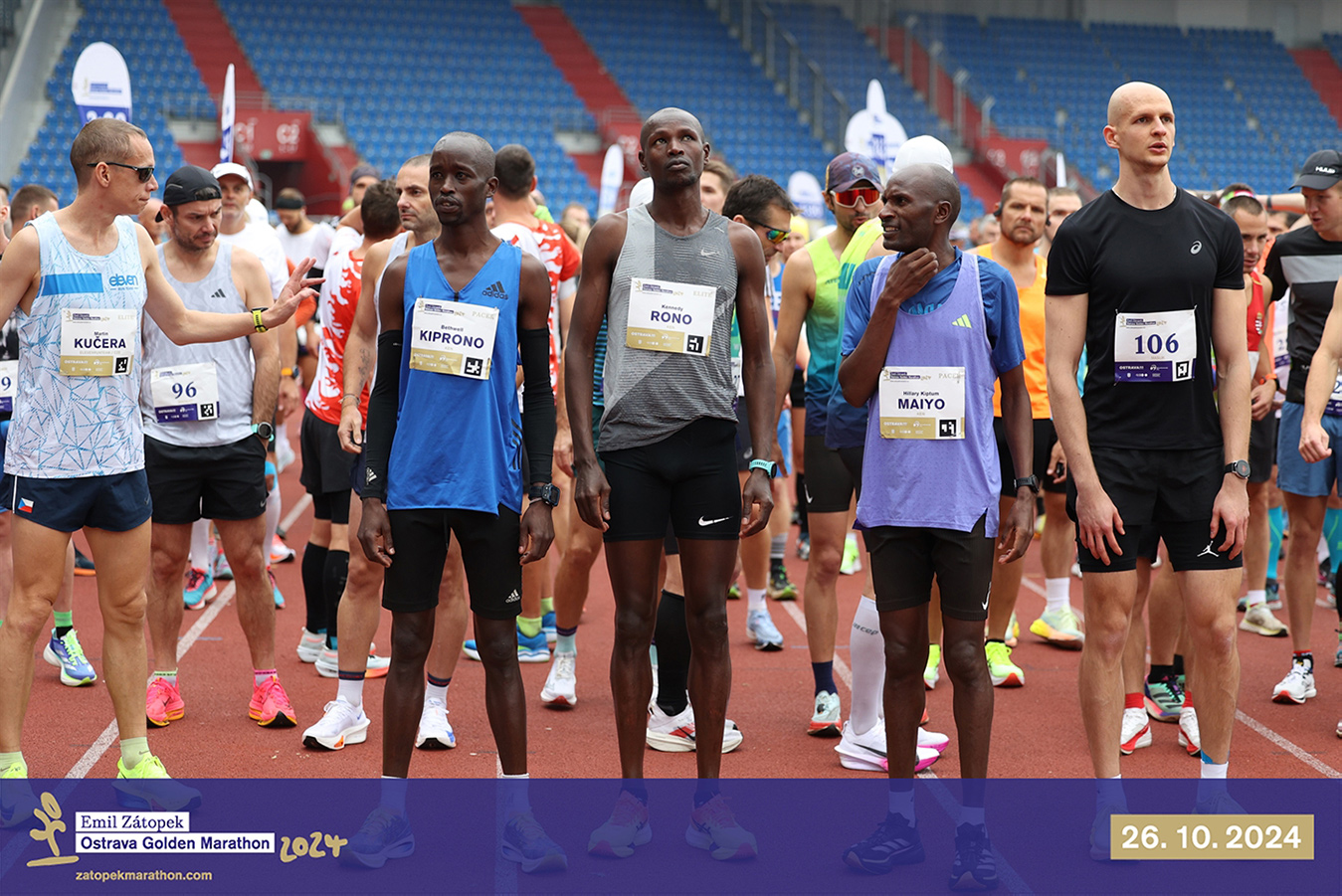
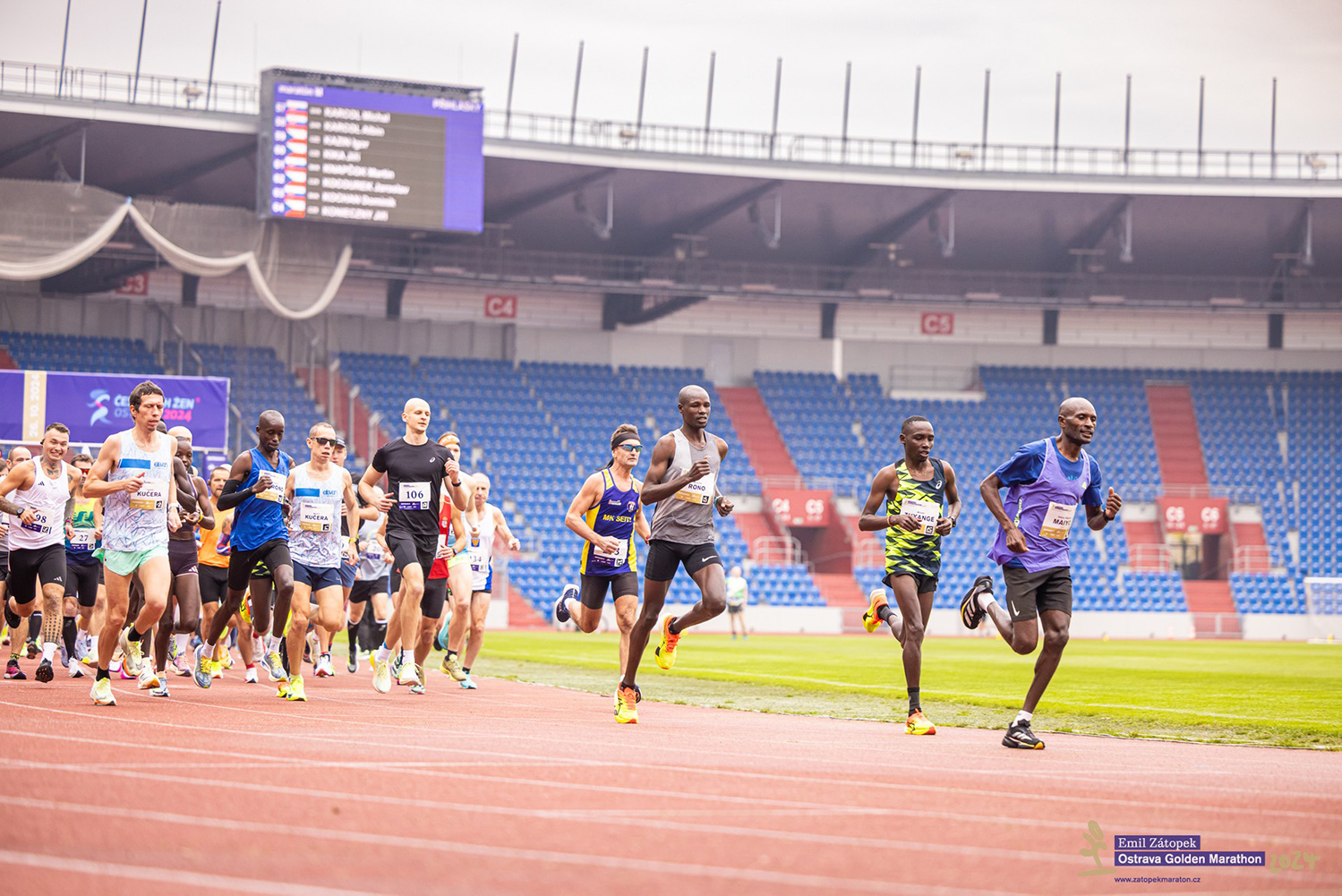
The elite runners disappeared from sight right after the start, but the adrenaline pushed me forward. I ran the first few kilometers at an unsustainable pace, but I soon realized I had to slow down—there
were still too many tough kilometers ahead. The first ten kilometers felt absolutely amazing. If only I could say the same about the rest.
At the 10-kilometer mark, I was caught by a pace group aiming for 3:30. Even though I already felt the need to slow down, I stuck with them for another 15 kilometers. Running in a group helped me
maintain a steady pace and kept my mind off the exhaustion. That’s what pace groups are for—you’ll never achieve a great time running solo.
After 25 kilometers, I decided to go at my own pace—I could no longer keep up with the 5'00" per kilometer pace. As the kilometers added up and my concerns about my ankle grew, my running form started to
deteriorate. But ironically, that actually helped take some strain off my ankle. Passing the halfway mark, I was surprised that my injury still hadn’t flared up. That gave me new hope—the marathon was within
reach. Now I just had to finish.
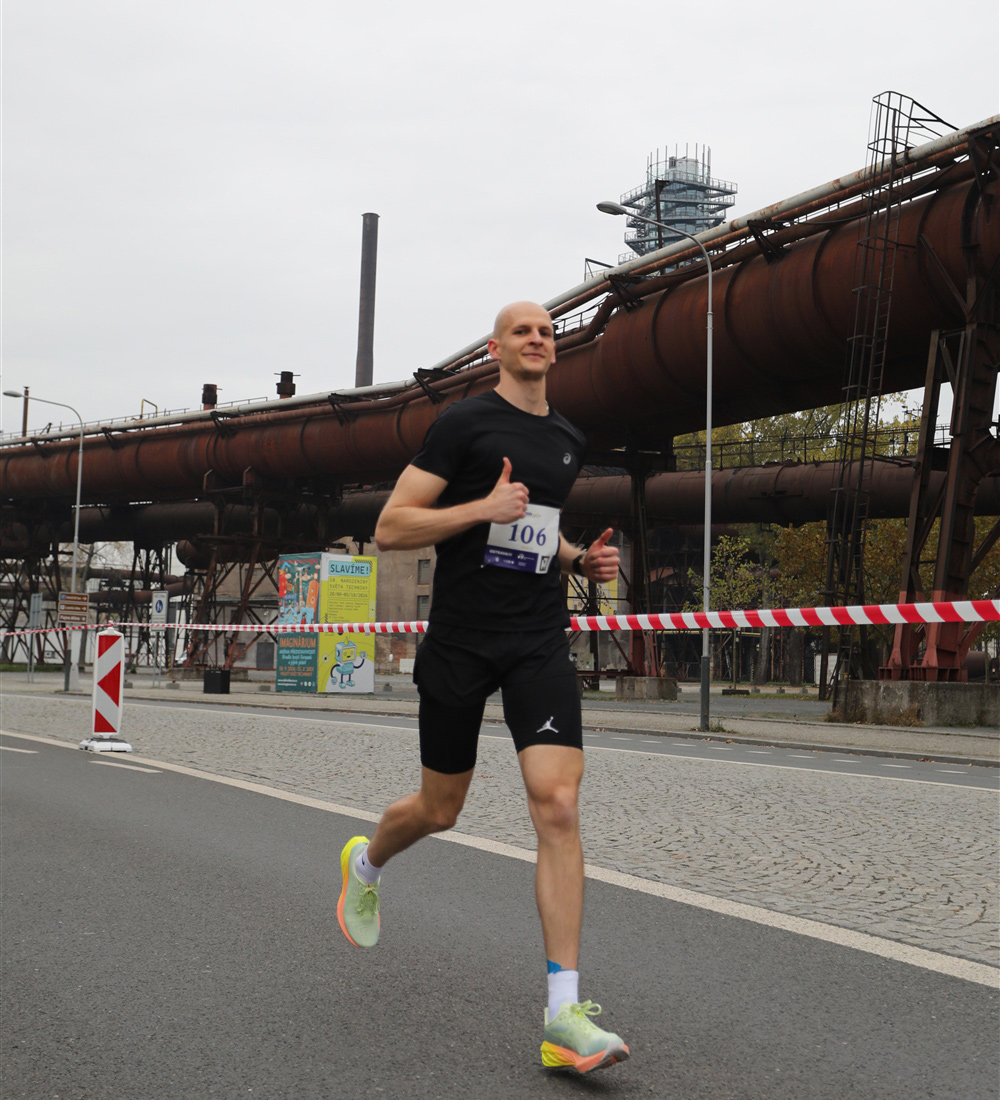
At the 30-kilometer mark, near my university, there was a slight incline, and my legs started feeling significantly heavier. Even so, my pace remained solid, and I got lucky—I managed to join two other
runners. We pushed each other forward, trying to maintain our performance as best as we could.
The biggest crisis came after the 35th kilometer. Up until then, I had been aiming for a sub-3:40 finish. But my legs, which had been cramping since kilometer 15, made it clear that taking risks
wasn’t worth it. I slowed down rather than risk a full-on cramp that could knock out all the effort I had put in. Unfortunately, our trio broke apart—each of us continued alone, beginning the toughest
battle of all: the battle against ourselves.
The final kilometers were a struggle between extreme physical exhaustion and overwhelming mental determination that pushed me to give it my all. The very last kilometer was almost my fastest of the
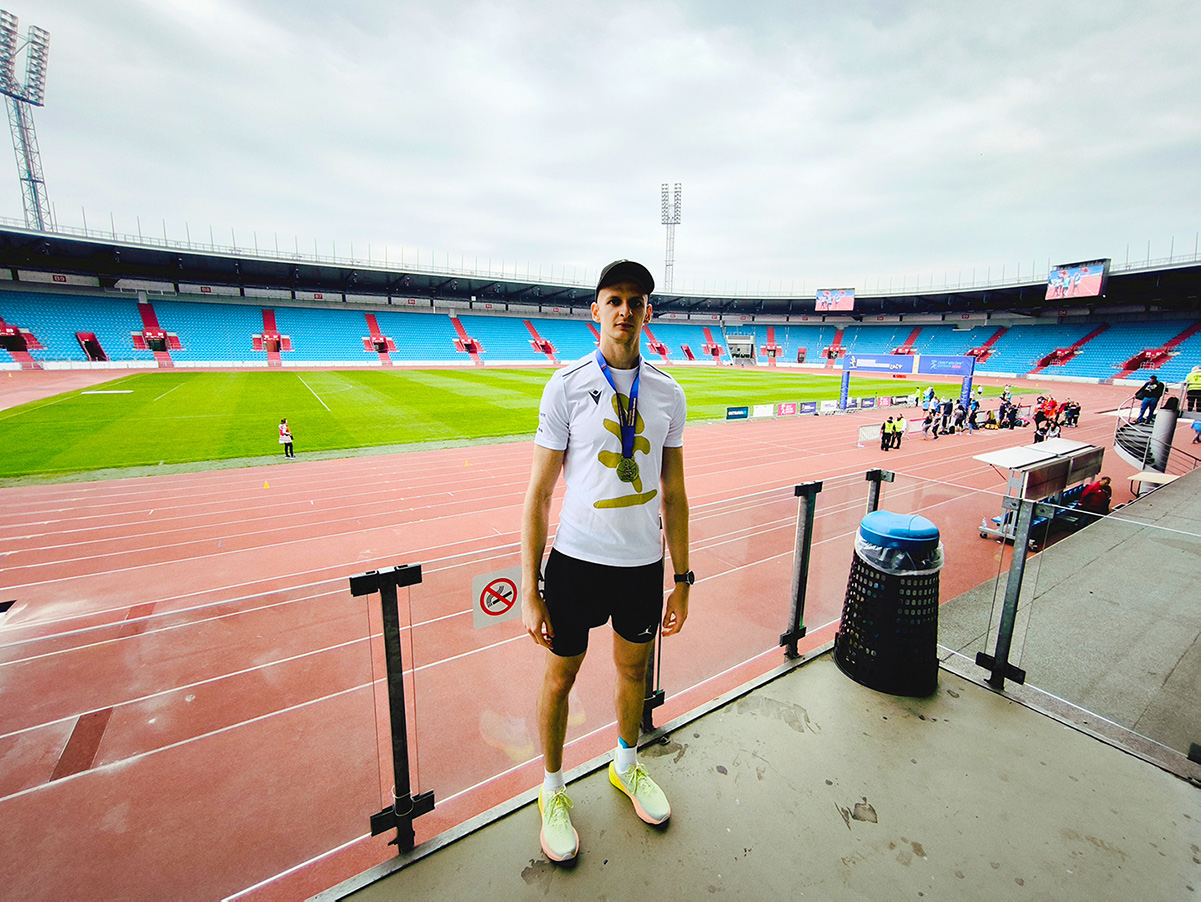
entire race. The finish line was in sight, and adrenaline took complete control. The final sprint on the stadium track was magical. With pure euphoria, I crossed the finish line in 3 hours, 41 minutes,
and 33 seconds.
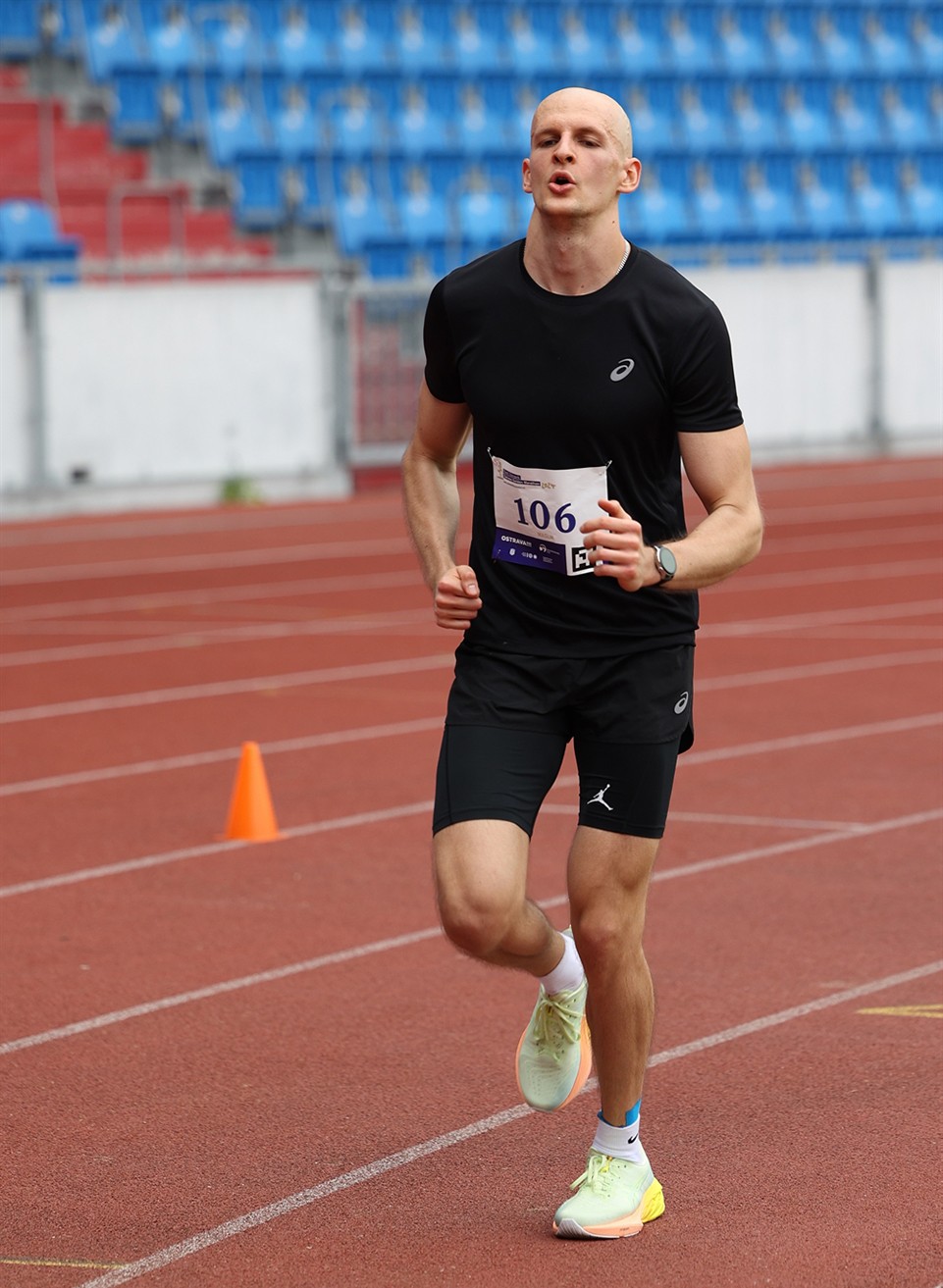
Words cannot describe what I felt at that moment. I was in shock—not just because I finished, but because of the time I achieved. Considering my preparation and my injury concerns, simply making
it to the finish line was already a huge success. My ideal goal was to break 4 hours. But to beat that by more than 18 minutes? Unbelievable.