April 12, 2026

At the end of the previous article, I mentioned that what keeps me pinned to the ground is something I am clutching convulsively in my own hands. It is a tool I use to cause myself pain long after the actual catastrophe has passed.
The Theory of Two Arrows and the Trap of Rumination
Freud considered repression the basic and most important defense mechanism. Its essence is the exclusion of excessively painful or terrifying impulses or memories from consciousness. A person often represses memories that evoke shame, guilt, or self-deprecation.
Constantly dwelling on stressors, referred to as rumination, means that a person withdraws into themselves and thinks about how bad they feel, worries over the consequences of stressful events, ponders their mental state, and constantly talks about how poorly they are doing, without doing anything to fix it.
The Courage to Lay Down the Sharp Arrow
Learned helplessness, which manifests as apathy, withdrawal, and inaction, also appears in some people—but not all—in response to uncontrollable events. The original theory of learned helplessness had to be modified to take into account the fact that some people behave helplessly after uncontrollable events, while for others such events are a challenge and an incentive to take action.
He (Carl Rogers) was primarily convinced that people would likely function better if they were raised with unconditional positive regard—if they felt that parents and other people value them positively even when their feelings, attitudes, and behavior are not ideal.
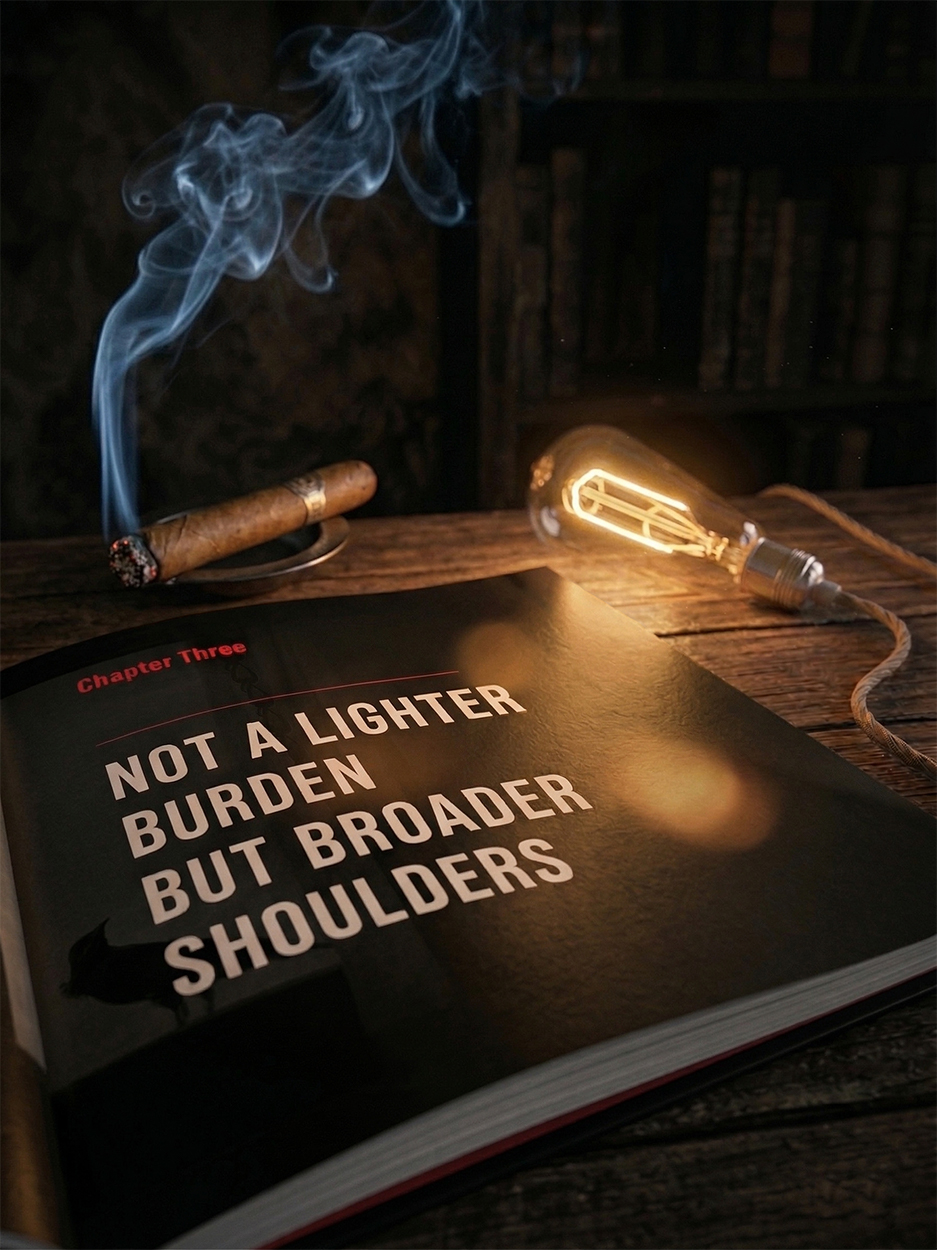
The greatest strength right now does not lie in the ability to carry every burden, but in the courage to admit that I have hit rock bottom. I must accept the fact that right now I am completely incapable of living, so that one day I can become a person who truly lives their own life. Truly their own—in alignment with their real self.
Only then will the space naturally open up for my shoulders to start growing. But until then, I must stop fighting the reality of my own pain and drop the weapon with which I am hurting myself.
References:

Nolen-Hoeksema, Fredrickson, Loftus•(2012)•Atkinson & Hilgard's Introduction to Psychology•ISBN 978-80-262-0083-3[1]