Introduction to the Topic
Clinical Psychology and Psychopathology
Clinical psychology deals with the diagnosis, treatment, and prevention of mental disorders and psychological difficulties. Psychopathology, which forms its theoretical foundation, examines the causes, manifestations, and classification of abnormal experiences and behavior.
Stress, Coping, and Demanding Life Situations
Hans Selye1907–1982Stress Theory
A Canadian endocrinologist who defined stress as the body's nonspecific physiological response to any demand. He described the impact of a stressor through the General Adaptation Syndrome (GAS) model, which has three stages: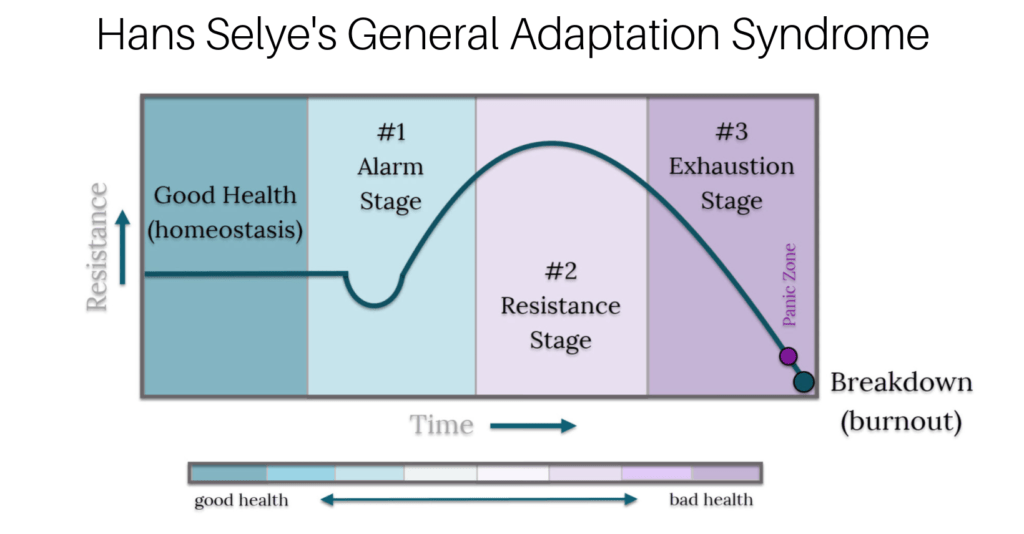
1
1. Alarm Reaction Stage
Mobilization of the body and the triggering of the evolutionary fight-or-flight response. There is a rapid release of adrenaline, increased heart rate, and readiness for action.
2
2. Stage of Resistance
The body attempts to adapt to the persistent stressor. It maintains a high cortisol level, and resistance to the original stressor increases, but resistance to other stressors decreases.
3
3. Stage of Exhaustion
If the stress continues for too long and adaptive energy is depleted, organ failure, the development of psychosomatic illnesses, or even death can occur.
Basic Concepts of Stressful SituationsTerminology
- Eustress
- Positive stress. An appropriate level of strain that motivates, energizes, and stimulates us to perform better (e.g., butterflies before an important sports race).
- Distress
- Negative, excessive stress. It acts destructively, causes anxiety, and harms health (e.g., long-term workplace bullying).
- Coping
- Conscious and active strategies for dealing with stress (e.g., problem-solving, seeking social support).
- Frustration
- A psychological state of disappointment and tension that arises when we are objectively prevented from reaching a goal or satisfying a need (an obstacle in the way).
- Deprivation
- A state of prolonged lack or non-satisfaction of a basic biological or psychological need (e.g., sleep, emotional, or sensory deprivation).
Exam Trap
Coping vs. Defense Mechanisms: Entrance exams frequently test the difference between these concepts. Coping is a conscious, targeted, and reality-oriented problem-solving process. Conversely, Freud's defense mechanisms (e.g., repression, projection) operate exclusively on an unconscious level and usually distort reality to protect the Ego from anxiety.
Psychopathology and Mental Disorders
Exam Trap
Classification Manuals: Remember that there are two main systems. Europe and the rest of the world, under the auspices of the WHO (World Health Organization), use the ICD (International Classification of Diseases, currently ICD-10, transitioning to ICD-11). On the other hand, the USA and the American Psychiatric Association (APA) use their own manual, the DSM (Diagnostic and Statistical Manual of Mental Disorders, currently DSM-5).
Symptoms and DisordersDiagnostics
Before understanding the diseases themselves, it is crucial to recognize the basic building blocks of psychopathology – the symptoms.
- Hallucination
- A false sensory perception that occurs without a real external stimulus. The patient is convinced of its reality (e.g., hearing nonexistent voices).
- Delusion
- An irrefutable, pathologically formed belief (a false thought) that the patient believes despite clear logical evidence to the contrary (e.g., a delusion of being monitored by the secret service).
- Phobia
- An irrational, disproportionate, and intense fear of specific objects, situations, or activities (e.g., claustrophobia, arachnophobia).
Exam Trap
Hallucination vs. Delusion: This is an absolute classic on tests. A hallucination is a disorder of PERCEPTION (a person sees or hears something that does not exist). A delusion is a disorder of THOUGHT (a person rationally constructs a false story and believes it). Never confuse these two categories!
Overview of Major Mental DisordersClinical Entities
- Panic Disorder
- Repeated and unexpected attacks of massive anxiety and terror (panic attacks), accompanied by severe physical symptoms (palpitations, feelings of suffocation).
- Bipolar Affective Disorder (BAD)
- A severe mood disorder characterized by alternating extreme phases: manic (euphoria, risky behavior, insomnia) and depressive (deep sadness, lethargy).
- Obsessive-Compulsive Disorder (OCD)
- An anxiety disorder in which the patient is plagued by intrusive thoughts that they try to neutralize through repeated rituals.
- Schizophrenia
- The most severe mental illness, belonging to the psychoses. It involves a break with reality, disintegration of thought, and personality. Positive symptoms represent something extra (delusions, hallucinations). Negative symptoms represent missing functions (apathy, loss of will).
- Borderline Personality Disorder (BPD)
- Extreme instability in emotions, relationships, and self-perception. Frequent feelings of emptiness and a tendency toward self-harm.
- Antisocial Personality Disorder
- A persistent disregard for the rights of others, lack of empathy and guilt, and violation of laws (historically referred to as psychopathy).
- ADHD (Attention Deficit Hyperactivity Disorder)
- A neurodevelopmental disorder characterized by an impaired ability to sustain attention, impulsivity, and excessive motor activity.
- ASD (Autism Spectrum Disorder)
- Pervasive neurodevelopmental disorders characterized by deficits in social communication and the presence of repetitive behaviors and narrow interests.
Exam Trap
Distinguishing OCD: Tests require precise differentiation. An obsession is an intrusive, unwanted, and anxiety-provoking thought (e.g., "my hands are dirty, I will get infected"). A compulsion is an irresistible act or ritual the patient performs to reduce this anxiety (e.g., washing their hands a hundred times with soap).
Psychotherapy and Biological Treatment
Main Psychotherapeutic ApproachesTherapy
- Psychoanalysis and Psychodynamic Therapy (S. Freud)
- Focuses on uncovering unconscious childhood conflicts. Methods include free association, dream analysis, and working with transference (when a patient unconsciously projects emotions felt toward parents onto the therapist).
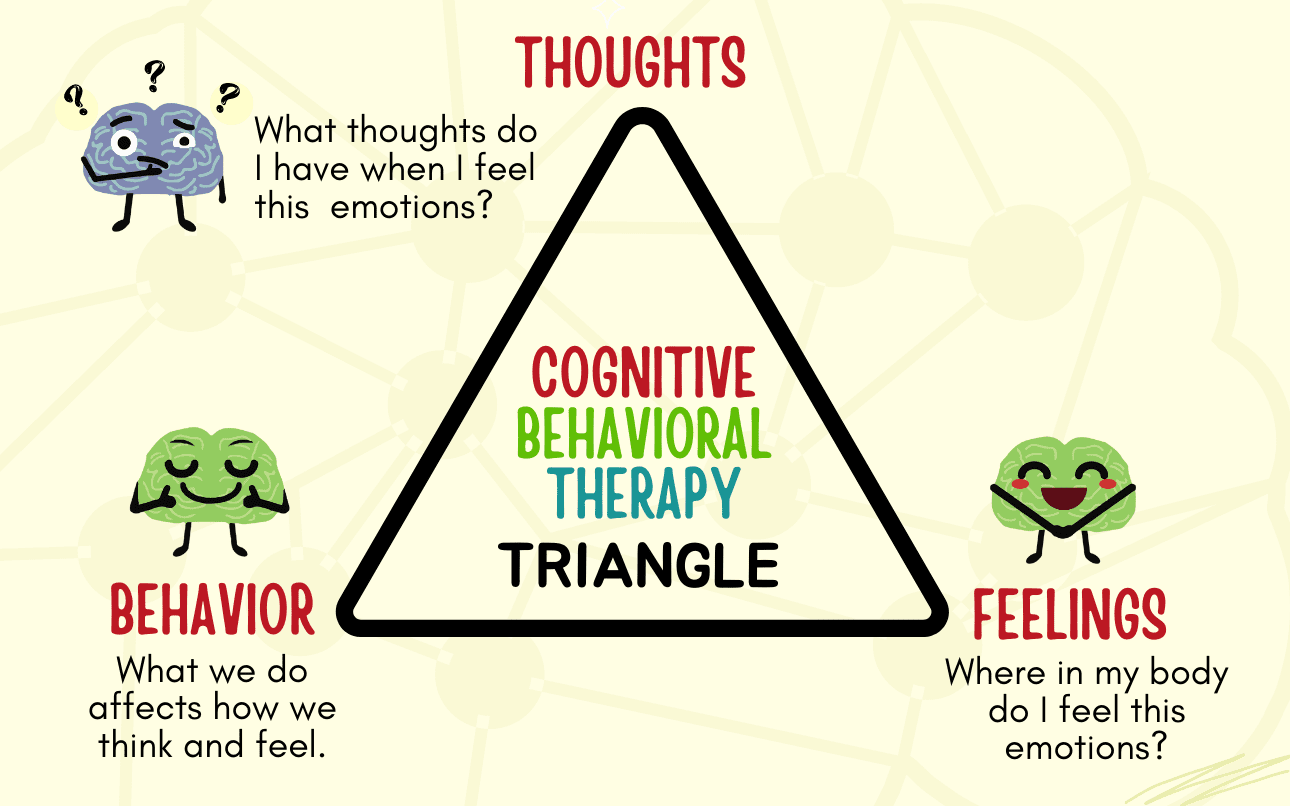
- Cognitive Behavioral Therapy / CBT (A. T. Beck, A. Ellis)
- An extremely effective, short-term therapy. It operates on the premise that psychological problems arise from faulty and irrational beliefs (cognitive errors) that lead to pathological behavior. The therapist teaches the patient to identify and change these thoughts.
- Person-Centered Approach / PCA (C. R. Rogers)
- A humanistic approach. The therapist is not an expert who gives advice but creates a safe environment through unconditional positive regard, deep empathy, and their own congruence (authenticity).
Biological Treatment (Psychopharmacology)Medication
Medications primarily act on the chemical balance of neurotransmitters in the brain.
- Antidepressants
- Medications primarily designed to treat depression and anxiety disorders (they increase the availability of serotonin or noradrenaline in the brain). They do not have an immediate effect; they take several weeks to work.
- Anxiolytics
- Medications for the rapid relief of acute anxiety, fear, and tension. They have an immediate onset of action, but long-term use carries a high risk of addiction (e.g., benzodiazepines).
- Antipsychotics
- Medications (neuroleptics) designed to treat psychotic conditions like schizophrenia. They suppress hallucinations and delusions (primarily by blocking dopamine).
Exam Trap
Lithium: If you see the term "Lithium" (or lithium salts) in a test, it refers to a special category of drugs called mood stabilizers. They are used primarily as the main pharmacological treatment for Bipolar Affective Disorder because they prevent extreme mood swings between mania and depression.
Key Takeaways
- Stress: Hans Selye described the General Adaptation Syndrome (GAS), which includes the alarm, resistance, and exhaustion stages.
- Coping vs. Defenses: Coping is a conscious management of stress, whereas Freud's defense mechanisms operate unconsciously.
- Symptoms: A hallucination is a disorder of perception without a stimulus; a delusion is a disorder of thought lacking critical insight.
- OCD and Schizophrenia: In OCD, we distinguish obsessions (thoughts) and compulsions (rituals). In schizophrenia, symptoms are divided into positive (e.g., hallucinations) and negative (e.g., apathy).
- Treatment: CBT treats cognitive errors, while psychoanalysis seeks unconscious conflicts. The most important drugs are antidepressants, anxiolytics (addiction risk), and antipsychotics.
A patient in a psychiatric clinic is firmly and irrefutably convinced that an alien civilization has implanted a transmitter in his dental filling to control his behavior. Even X-rays showing nothing cannot convince him otherwise. What is the technical term for this psychopathological symptom?
Correct Answer: Delusion.Explanation: This is a classic example of a delusion, which is a severe thought disorder. The patient has a false belief that does not correspond to reality, but to them, it is absolute truth and cannot be refuted by logical arguments. It is not a hallucination because the patient is not primarily perceiving a false stimulus in this context (e.g., they are not hearing voices); instead, they have created a false rational construct.
While studying for a difficult exam, you realize you have too much to do and start feeling anxious. Therefore, you consciously create a detailed time schedule, break the study material into smaller parts, and ask a classmate to explain the hardest topics to you. Into which category of psychological strategies does this behavior fall?
Correct Answer: Coping (stress management).Explanation: Your behavior is conscious, deliberate, and actively oriented toward solving the problem. This process is called coping. If, instead, you had repressed the problem and unconsciously started claiming that the exam actually doesn't matter at all (rationalization), it would be considered an unconscious defense mechanism.